VYNTICS

Data Warehousing & Lakehouse

Data Warehousing Services For One Trusted Data Foundation

Bring scattered business data into a central layer your teams can use for reporting, analytics, and AI.
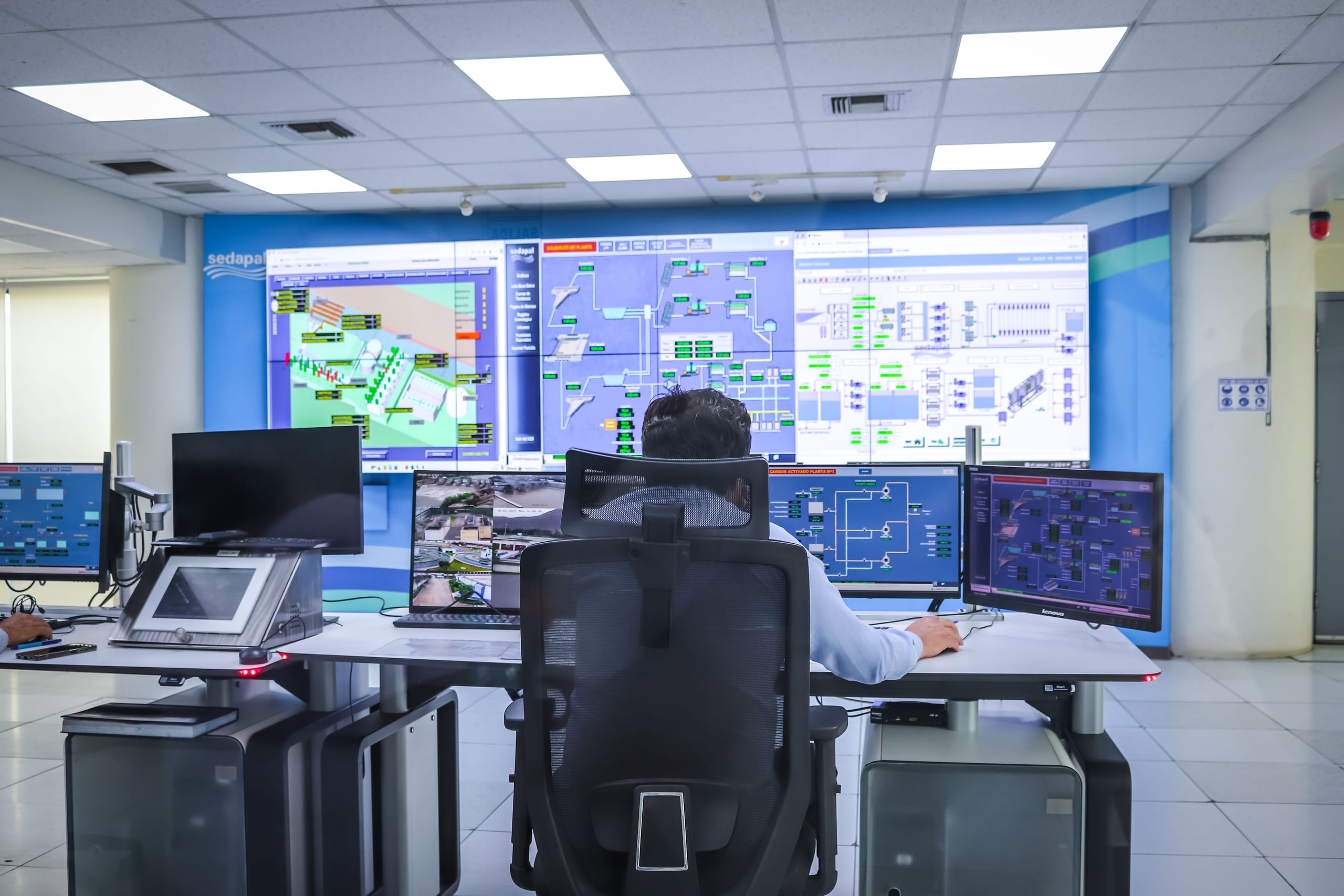
Operator monitoring several systems on large control-room displays.

Signs You Need A Data Warehouse

A trusted data layer becomes important when reporting and decisions depend on inconsistent or difficult-to-reach information.

What you might be experiencingWhat it usually means
  • What you might be experiencing

    Numbers don't match across reports

    What it usually means

    Different teams use different definitions, sources, or refreshes for the same business measure.

  • What you might be experiencing

    Reports take too long to load, even for simple questions

    What it usually means

    Data may sit in many raw tables and sources, and is not organized for fast analysis.

  • What you might be experiencing

    Answering one question means pulling data from several places

    What it usually means

    Business information remains in separate systems without a shared, governed data warehouse.

  • What you might be experiencing

    Teams argue over which numbers are the right ones

    What it usually means

    There may be no single source of truth, so each team builds its own version of the data.

Our Data Warehousing Services

We create a practical data warehouse foundation around your sources, definitions, users, and operating needs.

Warehouse Design And Data Modelling

Shape a maintainable structure for shared business definitions, reporting, analytics, and future change.

Talk to our experts

Migration From Legacy Databases

Plan and validate the move from legacy databases while keeping dependencies, access, and data quality visible.

Talk to our experts

Performance Tuning

Review models, queries, refreshes, workloads, and usage patterns to identify practical improvements.

Talk to our experts

Our Lakehouse Services

Combine structured and unstructured data in one governed platform for analytics and AI workloads.

A Shared Data Foundation

Bring different data types together with structures and ownership that support reuse.

Talk to our experts

Analytics-Ready Data

Prepare trusted data for reporting, exploration, and the models your teams need to develop.

Talk to our experts

A Path To AI

Create a clearer foundation for AI and knowledge use cases without separating them from governed business data.

Talk to our experts

How we work

Our Process

A clear path from scattered data to a foundation your reporting and AI workloads can use.

  1. Assess

    Sources and needs

    Review sources, users, definitions, workloads, access, and the decisions the data foundation must support.

  2. Model

    Shared structure

    Define a maintainable model, business terms, ownership, and the paths data will take through the environment.

  3. Build

    Working foundation

    Implement the warehouse or lakehouse structure, access, transformations, and reviewable data checks.

  4. Migrate

    Moved workloads

    Move agreed data and reporting workloads with validation, dependency planning, and a clear handover.

  5. Optimise

    Evolving platform

    Review performance, usage, storage, cost, and new analytics or AI requirements as the environment grows.

Architecture

Sample Warehouse Architecture

How data moves from your sources through a lakehouse and warehouse to dashboards and AI.

Lakehouse and warehouse architecture from sources to dashboards and AIDiagram of a lakehouse and warehouse architecture: structured and unstructured sources feed batch and streaming ingestion into a lakehouse platform with raw and cleaned zones and a modeled warehouse layer, which serves dashboards, analytics, AI and applications, with security and governance across all layers.SourcesStorageServingBusiness appsStructuredDatabasesStructuredFiles and documentsUnstructuredLogs and eventsSemi-structuredThird-party APIsSemi-structuredIngestionBatchStreamingIncremental loadsLakehouse platformOne platformRawOriginal data, unchangedCleanedStandardized and deduplicatedStructured and unstructured data in one platformWarehouse layerModeled, business-ready tablesDashboards and reportsSelf-service analyticsAI and machine learningApplications and APIsSecurity and governanceAccess controlData catalogLineageEncryption123456

Sources

  • Business appsStructured
  • DatabasesStructured
  • Files and documentsUnstructured
  • Logs and eventsSemi-structured
  • Third-party APIsSemi-structured

Ingestion

  • Batch
  • Streaming
  • Incremental loads

Lakehouse platform One platform

RawOriginal data, unchanged
CleanedStandardized and deduplicated
Warehouse layerModeled, business-ready tables

Structured and unstructured data in one platform

Serving

  • Dashboards and reports
  • Self-service analytics
  • AI and machine learning
  • Applications and APIs

Security and governance

  • Access control
  • Data catalog
  • Lineage
  • Encryption
  1. Source systemsStructured data from business apps and databases sits alongside unstructured and semi-structured data such as documents, logs and event streams. Traditional warehouses are built mainly for the first kind, which is where a lakehouse helps.
  2. IngestionBatch loads, streaming and incremental updates bring data into the platform on the schedule each dataset needs. These flows are built as pipelines, with monitoring and retries.
  3. Lakehouse storage: raw and cleanedEverything lands first as a raw copy, in one place for both structured and unstructured data. A cleaned layer standardizes formats and removes duplicates, so downstream users start from consistent data.
  4. Warehouse layerBusiness-ready tables are modeled around how your teams report and analyze, with agreed definitions for key numbers. We tune performance and cost here so queries stay fast as data grows.
  5. Serving: dashboards and AIThe same governed data feeds dashboards and reports, self-service analytics, machine learning and AI applications, so every team works from one source of truth.
  6. Security and governanceAccess control, a data catalog, lineage and encryption apply across every layer, so people see only the data they should and every number can be traced back to its source.

Tap a numbered point to see how it works.

Illustrative example of a typical modern data platform. Every architecture is designed around your data, workloads and budget.

Platforms

Platforms

We compare the fit with your existing systems, data requirements, team skills, and operating model.

Databricks

Databricks consulting can help teams plan a lakehouse foundation for structured data, broader analytics, and AI workloads.

Snowflake

Snowflake consulting can cover warehouse design, data modelling, workloads, access, and performance around your operating needs.

Google BigQuery

BigQuery consulting can help teams shape a scalable analytics foundation around Google Cloud data and reporting requirements.

Amazon Redshift

Amazon Redshift services can support warehouse modernisation, workload review, migration, and performance planning on AWS.

Azure Synapse

Azure Synapse can connect warehouse and analytics needs within an existing Microsoft data environment.

What A Trusted Data Foundation Can Improve

We review outcomes against your starting point and requirements rather than assuming a fixed result.

  1. Query speed

    Give teams a more suitable structure for the questions and workloads they need to run.

  2. Reporting time saved

    Reduce repeated reconciliation and preparation by using shared definitions and reusable data models.

  3. Storage cost visibility

    Make storage, workload, retention, and platform decisions easier to review over time.

Team reviewing a central data warehouse and analytics workspace

Case study

Data Warehousing Case Study

Explore published work relevant to data warehouses, lakehouses, or analytics foundations.

No published data warehousing case study is available yet. Explore other Vyntics projects in the meantime.

View all case studies

Engagement options

Choose The Right Starting Point

Start with a warehouse assessment, move into a build or migration, or discuss ongoing support.

01. Warehouse assessment

We need one trusted place for our data.

Review sources, definitions, workloads, platform choices, and the practical next step for your data foundation.

What you get

  • Source and workload review
  • Platform and modelling priorities
  • Practical next-step plan

02. Build or migration

We are ready to create or modernise the data foundation.

Build or migrate the agreed warehouse or lakehouse scope with validation and team review.

What you get

  • Agreed foundation scope
  • Migration and validation checks
  • Documentation and handover

03. Ongoing support

We want help as data needs change.

Discuss ongoing support for platform operation, performance, data models, and new analytics or AI needs.

What you get

  • Performance and issue support
  • Model and platform review
  • Agreed improvement priorities

Related insights

Data Warehousing And Lakehouse Insights

We're adding published insights about warehouses and lakehouses. Browse the latest from our blog in the meantime.

Visit the blog

Frequently Asked Questions

Answers about data warehousing services and lakehouse foundations.

Have a question about your data foundation? Contact our team.

What is the difference between a data warehouse, a data lake and a lakehouse?

A warehouse is typically structured around governed, queryable business data. A data lake can hold broader raw and processed data types. A lakehouse combines flexible data storage with structures and controls that support analytics and AI. The suitable choice depends on your workloads, users, governance, and operating model.

Which is better: Snowflake, BigQuery or Redshift?

There is no single best platform for every team. We compare the options against your existing environment, workloads, skills, data location, governance, performance, and cost requirements.

How long does it take to build a data warehouse?

Timing depends on the number and condition of sources, modelling scope, migration needs, reporting requirements, access, testing, and review cycles. We clarify those dependencies before agreeing a plan.

Can you migrate our existing database to a modern warehouse?

Yes. We can assess dependencies, map data, plan migration, validate results, and support the transition from an existing database into a suitable modern warehouse or lakehouse.

How much does a cloud data warehouse cost to run?

Cost depends on platform, storage, query workloads, refresh patterns, retention, users, and operating choices. We review those drivers rather than assuming a fixed monthly cost.

Is our data secure in a cloud data warehouse?

Security depends on identity, access, network, encryption, data handling, governance, and the platform configuration. We review those requirements as part of the design and operating model.
Data warehousing services

Build A Trusted Data Foundation

Tell us where your data lives, what your teams need to use, and what is preventing a shared foundation today.